Best Emotional Support Animals for Iowa Apartments — A Clinician-Vetted Lineup
Choosing the right emotional support animal for an Iowa apartment is rarely as simple as scrolling through a list of cute animals and picking your favorite. The decision sits at the intersection of your therapeutic needs, your living environment, your landlord's policies, and a precise legal framework that — in Iowa — carries specific requirements most online guides overlook entirely. This article brings together clinical perspective, Fair Housing Act (FHA) guidance, and hard-won practical knowledge to help you understand which animals tend to thrive in apartment settings, and why a licensed mental health professional (LMHP) licensed in Iowa must be the one to determine whether an ESA is therapeutically appropriate for you.
Before we dive into the lineup, one foundational point deserves its own paragraph: Iowa law requires a minimum 30-day established therapeutic relationship between you and your clinician before an ESA letter can be issued. This is not a bureaucratic inconvenience — it is a consumer protection measure that distinguishes a legitimate, clinically grounded accommodation letter from the dubious $40 "certificates" sold by online registries. (HUD has explicitly confirmed that ESA registries, ID cards, and national databases carry no legal weight whatsoever.) If a website promises you an instant Iowa ESA letter after a five-minute quiz, walk away. Your housing rights — and your mental health — deserve better.
All federal housing protections referenced throughout this article derive their authority from HUD's FHEO-2020-01 notice, "Assessing a Person's Request to Have an Animal as a Reasonable Accommodation Under the Fair Housing Act," which remains the governing federal standard for ESA accommodation requests in housing covered by the FHA. Now, let's meet the animals.
The Iowa Apartment ESA Framework: What Every Renter Should Know First
Under the FHA, a housing provider — including most Iowa landlords and property managers — must provide reasonable accommodation for a person with a disability who has a documented need for an emotional support animal, even in a building with a strict no-pets policy. Critically, the FHA does not restrict this protection to dogs and cats. Any animal species can qualify as an ESA, provided a licensed clinician determines it is therapeutically necessary and the animal does not pose an undue burden or direct threat. That said, practical apartment suitability varies enormously from species to species.
Iowa landlords may legally request a valid ESA letter from an LMHP before granting accommodation. They may not charge pet deposits for an ESA, demand breed or weight exceptions beyond what the FHA requires, or require your animal to be trained or certified. What they can assess — per FHEO-2020-01 — is whether the specific animal poses a direct threat or causes substantial physical damage. The animals in this list have been selected partly because they present a low profile in both of those categories, making the accommodation conversation with your Iowa landlord smoother and more predictable.
For a comprehensive walkthrough of how to present your accommodation request and what documentation your Iowa landlord may legally require, visit our detailed guide on Iowa ESA housing letters and FHA protections.
-
1. Dogs — The Gold Standard for Emotional Support in Iowa Apartments
It would be clinical negligence to open this list with any animal other than the dog. Decades of peer-reviewed research support the therapeutic role dogs play in reducing symptoms of anxiety, depression, PTSD, and a range of other mental health conditions — and that body of evidence directly informs how LMHPs approach ESA recommendations. Dogs provide consistent social feedback, encourage routine-building through walk schedules, and offer physical contact (petting, holding) that activates the parasympathetic nervous system in ways that are measurable and reproducible. For many Iowa renters navigating a mental health challenge, a dog is simply the most clinically logical choice.
In an apartment context, breed and temperament selection matters enormously — not because Iowa law or FHA regulations impose breed restrictions on ESAs (they do not), but because a dog that is poorly suited to apartment life can create noise complaints, property damage, and neighbor conflicts that ultimately destabilize your housing situation. Smaller to medium breeds with moderate energy levels — think Cavalier King Charles Spaniels, French Bulldogs, Shih Tzus, or Basset Hounds — tend to adapt well to Iowa apartment living without requiring the square footage of a suburban backyard. Larger, calmer breeds like Greyhounds or Basset Hounds also surprise many renters with their apartment suitability.
If you are leaning toward a dog and want breed-specific guidance tailored to Iowa apartment environments, our clinical team has assembled a thorough resource on ESA dogs and the best breeds for Iowa apartments. For foundational guidance on acclimating your ESA dog to apartment routines and basic manners training, see our ESA training basics for Iowa — because while ESAs are not legally required to be trained, a well-mannered dog makes the FHA accommodation conversation significantly easier.
Practical Takeaway: A dog may qualify as an ESA when a licensed Iowa clinician, within an established 30-day therapeutic relationship, determines it is therapeutically appropriate for your diagnosed condition. Choose a breed whose energy level and noise profile suits apartment life, and budget time for basic manners training to protect your tenancy long-term.
-
2. Cats — Quiet, Independent, and Remarkably Therapeutic
For Iowa renters who value lower-maintenance companionship, or whose own energy levels make a dog's exercise demands difficult to meet consistently, cats represent one of the most pragmatically excellent choices for apartment ESA life. The therapeutic case for cats is well-established: research has linked cat ownership with reduced cortisol levels, lower blood pressure, and decreased risk of cardiovascular events. The act of a cat purring against your chest during a moment of acute anxiety has a tactile grounding quality that many individuals find difficult to replicate through any other means. From a clinical standpoint, cats can be particularly well-suited for people who benefit from companionship without constant social demand — the cat will be present, and it will engage, but largely on its own terms, which suits certain therapeutic profiles extremely well.
In Iowa apartment settings, cats have a natural advantage: they are quiet, require no outdoor access, produce minimal property damage when properly enriched (scratching posts, window perches, interactive toys), and are unlikely to generate the noise complaints that can accompany a dog in a shared building. Most Iowa landlords who have dealt with ESA accommodation requests will find a cat ESA far less challenging to accommodate than many other species, which means you are less likely to encounter pushback during the reasonable accommodation process. Hypoallergenic breeds such as the Balinese, Siberian, or Devon Rex may also be worth discussing if you share building space with neighbors who have allergies, though it is worth noting the FHA does not require you to choose a hypoallergenic breed.
For a deeper exploration of which cat personalities and breeds tend to align best with ESA roles in Iowa apartment settings, visit our companion resource on ESA cats as quiet companions in Iowa. A licensed Iowa clinician can help you determine whether a cat's particular type of companionship — steady, calm, and non-demanding — is the right therapeutic fit for your specific mental health needs.
Practical Takeaway: Cats are among the most apartment-compatible ESA choices available to Iowa renters. Their quiet nature, low exercise demands, and documented therapeutic value make them a clinically sound option for many individuals — and a relatively low-conflict accommodation request for most Iowa landlords.
-
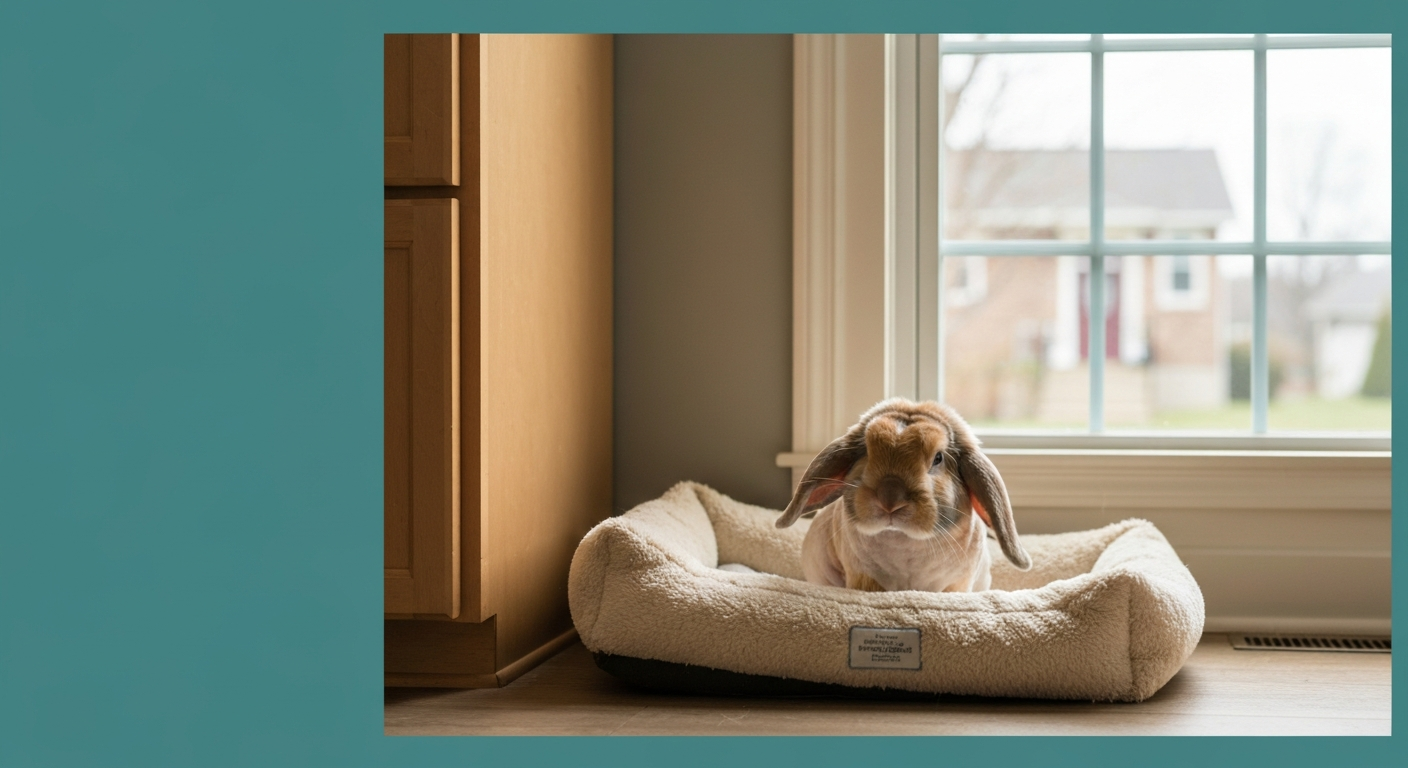
3. Rabbits — Gentle, Low-Noise, and Surprisingly Impactful
Rabbits occupy a fascinating middle ground in the ESA conversation: they are small enough to be genuinely apartment-friendly, quiet enough to be invisible to neighbors, and yet surprisingly interactive and emotionally responsive in ways that many first-time rabbit owners do not anticipate. A well-socialized rabbit will seek out human contact, respond to its owner's emotional state, and provide the kind of gentle, tactile companionship that some people find more soothing than the energetic engagement of a dog. Clinically, rabbits have shown promise as support animals for individuals who experience hypervigilance or sensory sensitivities, partly because their interactions are soft, predictable, and low-intensity.
From an Iowa apartment-living standpoint, rabbits are nearly ideal. They produce no meaningful noise, are litter-trainable (which substantially reduces odor and mess), require no outdoor access, and have a relatively modest space footprint. A rabbit's primary habitat — a large pen or exercise enclosure — can be set up in a corner of a studio or one-bedroom without dominating the space. Iowa renters in smaller units will find this genuinely liberating compared to the footprint of a dog crate, exercise equipment, and feeding stations. That said, rabbits do require consistent daily interaction, a diet of fresh hay and vegetables, and enrichment to prevent boredom-related destructive behaviors — so they are not entirely passive companions.
One nuance worth understanding: because rabbits are not dogs or cats, some Iowa landlords unfamiliar with the FHA's species-neutral language may initially push back on a rabbit ESA accommodation request. FHEO-2020-01 is clear that the FHA does not limit ESAs to conventional pets, and a well-documented ESA letter from a licensed Iowa LMHP — combined with your own calm, informed communication of your rights — typically resolves this quickly. For a full exploration of how rabbits function as ESAs under Iowa and federal law, our resource on rabbits as emotional support animals in Iowa is an excellent starting point. For housing disputes that escalate, consult an Iowa-licensed attorney or your local legal aid office.
Practical Takeaway: Rabbits are a genuinely underrated choice for Iowa apartment ESAs — quiet, compact, litter-trainable, and therapeutically meaningful for the right individual. Prepare to educate your landlord on FHA's species-neutral protections, and have your clinician-issued ESA letter ready to present with confidence.
-
4. Guinea Pigs — Social, Calming, and Built for Small Spaces
Guinea pigs have quietly built a strong clinical reputation as small-animal ESA candidates, particularly for individuals who benefit from caring for something that visibly responds to their presence with enthusiasm. Guinea pigs are highly social animals — they vocalize gently (their characteristic "wheek" sound is soft and endearing rather than disruptive), recognize their owners, and display affectionate behaviors like seeking contact and purring when held. For individuals managing anxiety, depression, or loneliness, the daily ritual of feeding, cleaning, and holding a guinea pig can provide structure, purpose, and a form of unconditional social connection that carries genuine therapeutic weight.
In Iowa apartment settings, guinea pigs are nearly perfect from a space and noise perspective. Two guinea pigs (they are social animals and generally do better in pairs) can live comfortably in a C&C cage that occupies roughly four square feet of floor space. They produce minimal odor when their enclosure is cleaned regularly, generate no sounds that carry through walls, and require no outdoor access whatsoever. For Iowa renters in high-density urban housing in cities like Des Moines, Cedar Rapids, or Iowa City — where every square foot matters — guinea pigs represent a genuinely practical therapeutic companion.
As with rabbits, some Iowa landlords may initially be unfamiliar with the FHA's protection of non-traditional ESA species. Your strongest tool in that conversation is a legitimate, clinician-authored ESA letter from a licensed Iowa mental health professional who has known you for at least 30 days and can document the therapeutic necessity of your specific animal. Generic documentation purchased online carries no legal standing and is likely to create more friction, not less, during the accommodation process.
Practical Takeaway: Guinea pigs are an excellent apartment-friendly ESA choice for Iowa renters who benefit from structured daily care routines and gentle social interaction. Plan for a pair rather than a solo animal, keep their enclosure clean to minimize odor, and secure a properly issued Iowa ESA letter before submitting your accommodation request.
-
5. Birds — Vocal Companions That Require Thoughtful Apartment Planning
Birds occupy a unique and nuanced position on this list. Certain species — particularly small, quieter birds such as budgerigars (budgies), cockatiels, or canaries — can be genuinely therapeutic companions with real clinical merit. Their movement, color, and sound can serve as grounding stimuli for individuals with anxiety or depressive disorders, and the routine of cage maintenance and interaction provides the kind of daily structure that supports mental health stability. Some individuals find the specific quality of a bird's presence — the chirping, the watchful eyes, the interactive mimicry of budgies — uniquely engaging in ways that other animals cannot replicate.
The apartment-specific caution with birds is noise. Cockatiels and budgies are generally manageable, but larger parrot species — African Greys, Cockatoos, Amazon parrots — produce sound levels that, in a shared apartment building, can realistically breach lease terms related to noise and nuisance. An Iowa landlord's obligation under the FHA is to provide reasonable accommodation, but FHEO-2020-01 explicitly notes that accommodation does not extend to animals that cause substantial physical damage or create conditions that interfere with other residents' quiet enjoyment of their homes. A screaming Cockatoo at 6 a.m. in a thin-walled Iowa apartment building is a genuine tenancy risk, regardless of ESA status.
If a bird genuinely represents the best therapeutic option for your specific mental health needs — as determined by a licensed Iowa clinician after an established therapeutic relationship — then the practical solution is to focus on quieter species, invest in acoustic management where possible, and have an honest conversation with your clinician about whether the noise profile of your preferred species is likely to complicate your housing situation. Your clinician's recommendation should be grounded in your actual therapeutic profile, not simply your preference for a particular species.
Practical Takeaway: Quieter bird species like budgies or cockatiels can work well as Iowa apartment ESAs for the right individual. Avoid larger parrot species in shared buildings, and always confirm with a licensed Iowa LMHP that a bird specifically meets your therapeutic needs before pursuing an ESA letter.
-
6. Hamsters and Gerbils — Compact Nocturnal Companions With Specific Therapeutic Applications
Hamsters and gerbils are among the smallest animals to appear on a clinically-vetted ESA list, and their inclusion here is deliberate rather than perfunctory. For certain therapeutic profiles — particularly individuals managing insomnia, late-night anxiety episodes, or conditions that cause hyperarousal during nighttime hours — the quiet, rhythmic activity of a hamster running its wheel at 2 a.m. can function as an unexpected but effective grounding anchor. The sensory predictability of a small animal going about its routine during the hours when anxiety peaks can, for some people, provide a calming focus point that genuinely supports mental health stability.
From an Iowa apartment-living standpoint, hamsters and gerbils are among the most unobtrusive ESA options available. They require minimal space (a single enclosure of appropriate size), produce essentially no sound that travels through walls (a solid-surface wheel eliminates the squeaking issue most people associate with hamsters), and generate negligible odor with regular cleaning. They are among the least likely animals to generate any landlord objection in practical terms, even if some landlords initially balk at the concept of a hamster as an ESA. A valid Iowa LMHP-issued letter addresses that objection cleanly.
The clinical caveat for hamsters and gerbils is their limited interactivity relative to dogs, cats, or even guinea pigs. They are not naturally cuddly animals, though individual personalities vary, and gerbils in particular tend to be more socially curious than hamsters. A licensed Iowa clinician will assess whether your specific therapeutic needs are genuinely served by a small, largely independent nocturnal animal — and for some individuals and some conditions, the honest answer may be yes.
Practical Takeaway: Hamsters and gerbils are an extremely low-footprint ESA option for Iowa apartment renters with specific nocturnal or low-stimulation therapeutic needs. Their ESA viability depends on a thorough clinical assessment confirming the match between species behavior and your therapeutic profile.
-
7. Fish — The Underestimated Therapeutic Presence
Including fish on a clinician-vetted ESA list may raise an eyebrow, but the research supporting aquarium-based anxiety and stress reduction is more robust than most people realize. Studies in clinical and environmental psychology have consistently found that watching fish in an aquarium reduces heart rate, lowers blood pressure, and decreases self-reported anxiety — effects observed in both children and adults, and in both clinical and home settings. For individuals with severe social anxiety, sensory sensitivities, or conditions that make physical interaction with animals difficult or overwhelming, fish provide a gentle, non-demanding therapeutic presence that delivers measurable physiological benefit without requiring direct contact.
In an Iowa apartment setting, fish are maximally unobtrusive. A 10- to 30-gallon aquarium is manageable in virtually any apartment footprint, produces no noise beyond the soft hum of a filter (which many people find white-noise-soothing), and generates no odor or allergens. The FHA's protection of fish as ESAs is consistent with its species-neutral framework — but it is worth acknowledging that fish ESA accommodation requests may be the ones most likely to prompt a landlord's skepticism simply because the therapeutic model is less intuitive than a dog or cat. A well-documented ESA letter from an Iowa-licensed clinician remains your strongest legal and practical tool in that conversation.
A fish ESA is most clinically appropriate when a licensed Iowa LMHP specifically identifies the calming, observational quality of aquarium life as therapeutically relevant to your diagnosed condition. This is not a default ESA recommendation — it is a targeted one for individuals whose particular therapeutic profile aligns with what fish uniquely offer. If your clinician believes this is the right fit, a species-specific ESA letter that articulates the therapeutic rationale will serve you well in an Iowa housing accommodation conversation.
Practical Takeaway: Fish are a legitimate ESA option for Iowa apartment renters whose therapeutic needs align specifically with the calming, observational quality of aquarium life. The research backing is real; the key is a clinician-documented rationale that clearly connects the species to your therapeutic needs.
-
8. Miniature Pigs — High-Profile but Manageable With Preparation
Miniature pigs — sometimes called "teacup" or "micro" pigs, though those marketing terms are not clinically standardized — occupy a complex but genuinely legitimate space in the ESA conversation. Pigs are highly intelligent animals with documented social and emotional responsiveness to their human caregivers. They can be litter-trained, are hypoallergenic for many individuals with dog or cat allergies, and form genuine affective bonds with their owners. For individuals who have not responded therapeutically to more conventional companion animals, or who have specific allergies that preclude dogs and cats, a miniature pig ESA may represent a clinically appropriate alternative worth exploring with an Iowa-licensed LMHP.
The Iowa apartment-specific considerations for miniature pigs are worth addressing honestly. The primary challenge is size: "miniature" pigs frequently grow larger than buyers anticipate, and an adult pig that reaches 50 to 100 pounds — not uncommon — requires more space, more robust flooring tolerance, and more proactive landlord communication than a guinea pig or rabbit. Additionally, some Iowa municipalities and apartment communities have local ordinances or lease provisions that specifically address swine, and while the FHA's reasonable accommodation framework can override a blanket no-pets policy, it does not override every local zoning restriction. Before pursuing a miniature pig ESA in an Iowa apartment, a consultation with an Iowa-licensed attorney about local zoning and with your LMHP about the therapeutic rationale is genuinely advisable.
If the therapeutic case is strong and the housing context is appropriate, a miniature pig ESA is a viable and FHA-protected choice. The due diligence required is simply higher than for more conventional species. Your Iowa-licensed clinician, within the required 30-day established therapeutic relationship, is the appropriate professional to help you assess whether the benefits outweigh the logistical complexity in your specific situation.
Practical Takeaway: Miniature pigs are a legitimate but logistically complex Iowa apartment ESA choice. Research local Iowa zoning ordinances, consult an Iowa-licensed attorney about potential restrictions, and work closely with a licensed Iowa LMHP to document the specific therapeutic rationale before pursuing accommodation.
How Iowa's 30-Day Therapeutic Relationship Requirement Protects You
It bears repeating — clearly and without apology — that Iowa law requires your ESA letter to be issued by a licensed mental health professional who has maintained a therapeutic relationship with you for a minimum of 30 days before the letter is written. This requirement exists to ensure that the clinician issuing your letter actually knows you, understands your clinical history, and can make a genuinely individualized determination about whether an ESA is therapeutically appropriate. It is the single most important safeguard against the predatory online services that issue template letters within minutes of a credit card charge.
An ESA letter that does not comply with Iowa law is not merely ineffective — it can actively harm your housing situation by giving your landlord legitimate grounds to deny your accommodation request and by eroding the credibility of your claim. Protect yourself by working with a licensed Iowa LMHP through a proper clinical engagement. Our platform connects Iowa residents with licensed clinicians who conduct thorough evaluations and issue ESA letters that are fully compliant with Iowa law and HUD's FHEO-2020-01 framework.
What a Legitimate Iowa ESA Letter Contains
A valid Iowa ESA letter from a licensed mental health professional will typically include: the clinician's name, Iowa license type, license number, and contact information; confirmation that you are an established client under their care (reflecting the 30-day relationship requirement); a statement that you have a disability or condition that substantially limits one or more major life activities; a statement that an emotional support animal is part of your treatment plan or serves a therapeutic function; and the date of the letter. It will not include a registry number, a certification stamp, an ESA ID card, or a national database entry — because none of those things exist under law or HUD guidance.
For a complete breakdown of what your Iowa ESA letter should contain, how to present it to your landlord, and what the FHA accommodation process looks like from start to finish, visit our comprehensive guide on Iowa ESA housing letters and FHA protections.
Choosing the Right ESA for Your Iowa Apartment: A Summary
| Animal | Apartment Noise Profile | Space Requirement | Interactivity | Iowa Landlord Familiarity |
|---|---|---|---|---|
| Dog | Low–Moderate (breed-dependent) | Moderate | Very High | High |
| Cat | Very Low | Low–Moderate | High | High |
| Rabbit | Very Low | Low–Moderate | Moderate–High | Moderate |
| Guinea Pig | Very Low | Low | Moderate | Moderate |
| Bird (small) | Low–Moderate | Low | Moderate–High | Moderate |
| Hamster/Gerbil | Very Low | Very Low | Low–Moderate | Low–Moderate |
| Fish | Minimal | Very Low | Low (observational) | Low |
| Miniature Pig | Moderate | Moderate–High | High | Low |
Next Steps: Getting Started With a Licensed Iowa Clinician
If you believe you may benefit from an emotional support animal in your Iowa apartment, the most important first step is connecting with a licensed mental health professional licensed in Iowa — not a website that promises an instant letter, and not a registry that sells certificates. A legitimate clinical evaluation takes time because it must: a trained professional needs to understand your history, your diagnosis, your living situation, and your specific therapeutic needs before making any recommendation. That 30-day relationship requirement is not an obstacle; it is the foundation of a recommendation that will actually hold up in a housing accommodation conversation.
Our platform works exclusively with Iowa-licensed clinicians who follow the state's therapeutic relationship requirements and issue ESA letters that comply fully with Iowa law and HUD's FHEO-2020-01 guidance. Whether your best ESA candidate is a dog, a rabbit, or a carefully chosen pair of guinea pigs, the path to a legally sound accommodation letter runs through a real clinical relationship — and we are here to help you build that relationship with confidence.
Disclaimer: This article is provided for informational purposes only and does not constitute medical, mental health, or legal advice. The information presented reflects general knowledge of federal FHA guidelines and Iowa-specific requirements as of the publication date, but laws and regulations may change. Whether an emotional support animal is therapeutically appropriate for you is a determination that can only be made by a licensed mental health professional who knows your individual clinical history. For questions about your specific housing rights or landlord disputes, consult an Iowa-licensed attorney or contact your local legal aid office. ESA Letter Iowa makes no guarantee of approval for any individual's ESA accommodation request, as each evaluation is conducted on an individualized clinical basis.
Ready to start your Iowa ESA letter?
Licensed Iowa clinician review. Compliant with state law.
Get My Iowa ESA Letter